The North Byzantine Gate: Imperial Defense & Triton Fountain
Visit the North Byzantine Gate Hierapolis. Book an elite private tour from Kusadasi to view the grand fortified gate and Triton Fountain.
For sophisticated international travelers, luxury heritage enthusiasts, and connoisseurs of classical military and civic architecture, the structural evolution of a metropolis reveals its true historical journey. While Hierapolis is globally celebrated for its shimmering thermal springs, its late antique monuments showcase how a grand city of pleasure transformed into an impregnable imperial fortress. Experiencing this dramatic blend of defense and artistic beauty through our elite private tours to Pamukkale guarantees that you discover its fascinating history with ultimate physical comfort, senior historical guiding, and a strict shopping-free guarantee.
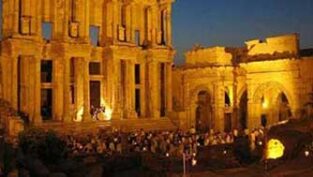
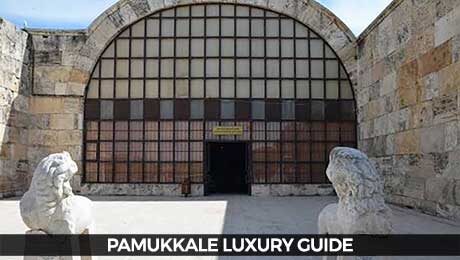
To fully appreciate the immense historical weight of the North Byzantine Gate Hierapolis, one must understand the shifting geopolitics of the 4th century AD. As the Roman Empire transitioned into the Byzantine era, the peaceful valleys of Asia Minor faced increasing threats from external invasions. In response, the imperial engineers constructed a massive, two-kilometer-long defensive fortification wall around Hierapolis. Built directly into this imposing military barrier, the North Byzantine Gate served as a heavily guarded monumental checkpoint, designed to project absolute imperial strength, security, and resistance to anyone approaching from the northern trade routes.
Navigating a complex fortification site requires an experienced private scholar guide to point out how recycled classical art was brilliantly engineered into medieval defensive structures.
As you stand before the towering North Byzantine Gate Hierapolis with your private group, your senior guide will point out the unique architectural construction. Built using repurposed premium marble blocks and travertine elements from earlier Roman monuments, the gate features two massive, symmetrical square defensive towers. The entrance was engineered with narrow, protective inner corridors designed to bottleneck enemy cavalry, serving as a highly functional, visual testament to the strategic military brilliance of the late Roman and early Byzantine army.
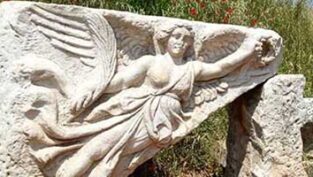
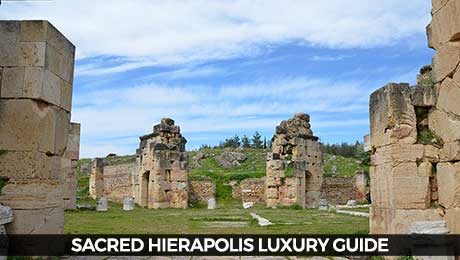
Just a short, comfortable walk inside the defensive gatehouse reveals the breathtaking remains of the Triton Fountain (Nymphaeum). Constructed during the height of Roman luxury in the early 3rd century, this grand public fountain was dedicated to Triton, the mythological half-man, half-fish messenger of the deep sea. Your private guide will lead you to the front of the massive, 60-meter-long retaining wall to admire where beautiful marble statues, cascading water displays, and intricate marine-themed bas-reliefs once welcomed traveling elites, offering an oasis of premium cooling and artistic luxury right at the city's military threshold.
Exploring the Triton Fountain complex with a dedicated historian reveals how ancient Roman architects masterfully transformed standard water infrastructure into grand public theater.
The Triton Fountain was a masterpiece of ancient hydraulic science. Fed by massive subterranean aqueducts originating from the distant mountains, the fountain utilized advanced gravity-fed water pressure to shoot elegant streams of water from decorative niches and sculptural mouths into a deep, premium marble basin. The entire structure was elaborately adorned with dynamic statues of river gods and Amazon warriors, ensuring that visiting merchants and foreign dignitaries were immediately awed by the city's unparalleled access to natural resources and artistic patronage.
Because the North Byzantine Gate and Triton Fountain sit at the quieter, northern edge of the main archaeological park, crowded commercial tour buses rarely spend time exploring its grand architectural details. Our elite private excursions transform this distance into your ultimate luxury advantage. Your premium executive vehicle will drop you off directly at the most accessible, scenic approach roads, allowing you to walk the historic walls in absolute serenity during the softest light of the afternoon, capturing striking landscape photographs without any commercial interruptions.
Uncovering a historical landmark of this global architectural importance requires flawless logistical synchronization to ensure a deeply educational and entirely relaxing holiday experience.
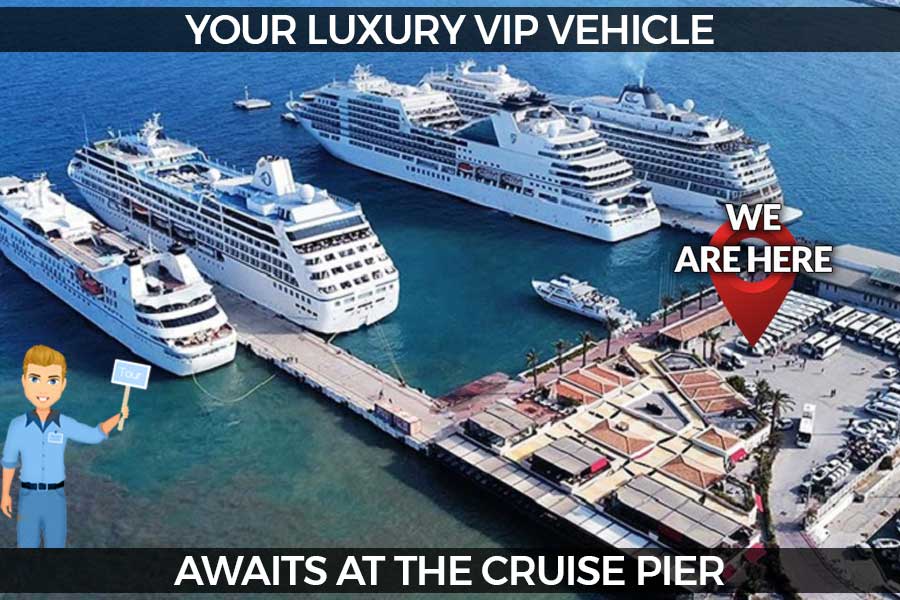
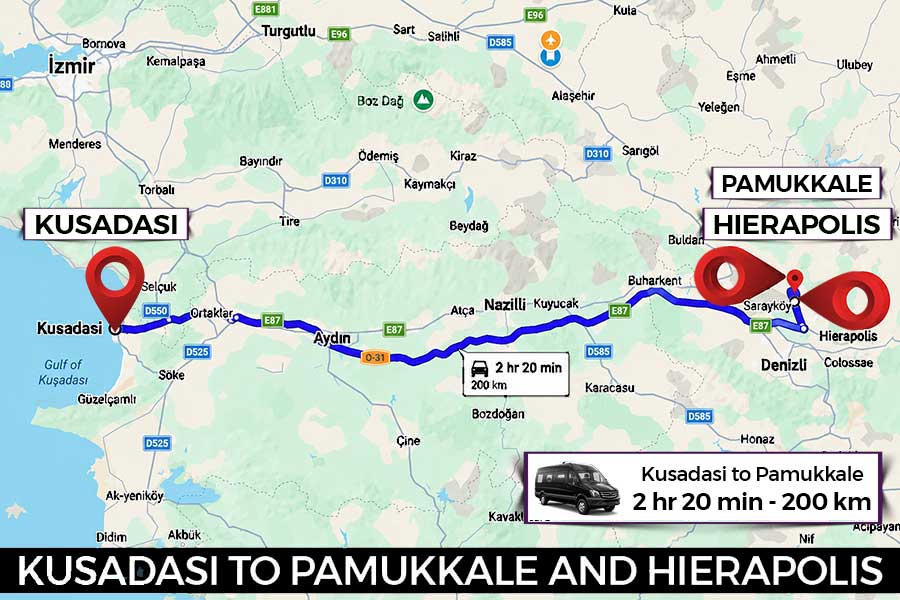
Choosing our elite private excursion allows you to discover the North Byzantine Gate Hierapolis and the Triton Fountain with unparalleled personal convenience. Traveling from the Kusadasi cruise docks or your luxury coastal resort in a premium, climate-controlled executive vehicle guarantees that you arrive completely refreshed and insulated from the elements. Entirely free from the stressful disruptions of forced commercial shopping detours at local outlets, your entire journey remains focused strictly on elite heritage discovery, senior historical education, and world-class regional luxury.
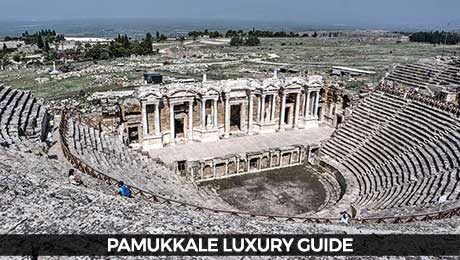
No, unlike the hillside theater, the North Byzantine Gate and Triton Fountain are located on a relatively flat, smooth section of the ancient plateau, making it a highly comfortable walk under the customized pacing of your private guide.
To protect the delicate 3-D marble reliefs from environmental exposure, the original masterworks excavated from the Triton Fountain have been carefully moved to the nearby Hierapolis Archaeology Museum, where your guide will show them to you up-close.
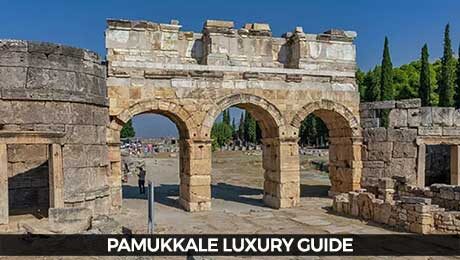
To guarantee visitor safety and ensure the preservation of the 4th-century masonry, climbing to the top of the un-restored walls is restricted. However, you can walk directly through the grand archways and photograph the exterior towers clearly.





👉 “Kids Under 5 Go Free!”
👉 ➤ Contact us for booking
Standard Private from 199 € / VIP All-Inclusive from 499 € per person


“100% On-Time Return Guarantee to Kusadasi Port”
“Kids Under 5 Go Free!”
➤ Contact us for booking
Standard Private from 195 € / VIP All-Inclusive from 270 € per person

Quick Details:
“Kids Under 5 Go Free!”
Contact us for booking
Standard Private from 125 € / VIP All-Inclusive from 195 € per person
“100% On-Time Return Guarantee to Kusadasi Port”
“Kids Under 5 Go Free!”
➤ Contact us for booking
Standard Private from 195 € / VIP All-Inclusive from 270 € per person

Quick Details:
“Kids Under 5 Go Free!”
Contact us for booking
Standard Private from 160 € / VIP All-Inclusive from 260 € per person
“100% On-Time Return Guarantee to Kusadasi Port”
“Kids Under 5 Go Free!”
➤ Contact us for booking
Standard Private from 210 € / VIP All-Inclusive from 295 € per person

Quick Details:
“Kids Under 5 Go Free!”
Contact us for booking
Standard Private from 180 € / VIP All-Inclusive from 255 € per person

MAKSİMUM BİLGİSAYAR PAZ.
İÇ VE DIŞ TİC.LTD.ŞTİ.
Adres: Cumhuriyet Mahallesi, Bizimkent, Bizimçarşı,
No: 32-33, Beylikdüzü, İstanbul
Telefon: +90 534 890 05 20
E-posta: info@maxwebtasarim.com