The Church of Mary: Historic Roman Basilica in Ephesus
Discover the Church of Mary in Ephesus. Book an elite private tour from Kusadasi to explore this historic early Christian council site.
For discerning international travelers looking to explore the foundational pillars of religious history and architectural evolution, the Aegean coastline stands as a premier destination. Beyond the grand pagan temples and imperial administrative palaces, the true transition of classical world cultures is preserved inside early Christian sanctuaries. Experiencing this highly significant theological monument through tailored private tours from Kusadasi ensures that you walk these historic ruins with ultimate physical comfort, senior historical guiding, and a strict shopping-free guarantee that respects your time.
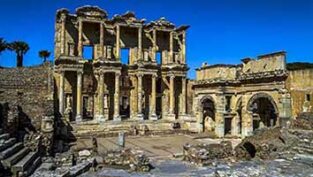
To fully grasp the immense historical significance of this archaeological site, one must understand that the Church of Mary was the majestic setting for some of the most critical religious debates in global history. Built originally in the 2nd century AD as a massive, 260-meter-long Roman commercial basilica and later converted into a monumental Christian cathedral in the early 4th century, this historic structure is famously known as the site of the Third Ecumenical Council (the Council of Ephesus) held in 431 AD. It was inside these exact stone walls that hundreds of early bishops gathered to officially grant the Virgin Mary the sacred title of "Theotokos" (God-Bearer), a momentous decree that permanently reshaped Christian theology across the world.
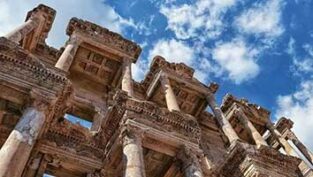
The structural ruins of this long cathedral demonstrate a brilliant example of Roman adaptive reuse, showcasing how ancient architects altered imperial spaces to meet changing cultural dynamics.
Walking through the expansive open-air complex today, your eyes are immediately drawn to the distinct architectural layout of the cathedral floor. The building features a classic Roman basilica plan divided into three majestic parallel naves by soaring rows of columns. At the northern end of the complex rests the best-preserved architectural asset of the entire site: an incredibly pristine, circular Roman baptistery. Featuring a deep, marble-paved immersion font in its center, this high-end ritual chamber allowed early Christian converts to undergo sacred baptismal ceremonies under the guidance of the city's early bishops.
Following severe damage from early earthquakes and invasions, the monumental site was cleverly divided by Byzantine engineers into two smaller, independent places of worship built sequentially within the original outer walls. This unique layout has led modern international archaeologists to frequently refer to the monument as the "Double Church," offering a fascinating visual masterclass in historical structural evolution.
Navigating the peaceful, weed-fringed stone pathways with a senior historical guide reveals hidden inscriptions and papal connections that mass group tours completely overlook during their rushed visits.
Along the grand semicircular apse at the eastern edge of the main nave, you can still observe the original tier of stone benches where the high-ranking bishops sat in solemn assembly during the great council debates of 431 AD. Standing in the exact footprints where historical figures like Cyril of Alexandria debated international theology provides a profound moment of reflection for heritage travelers.
Because the Church of Mary was constructed in close proximity to the ancient Harbor of Ephesus, it served as the immediate point of welcome for international delegates, saints, and Roman imperial couriers arriving by sea. The adjacent marshlands and surviving brick foundations echo the vibrant, cosmopolitan atmosphere of an era when maritime trade and religious philosophy intertwined daily on the Aegean coast.
Discovering a delicate and expansive archaeological complex of this immense historic weight requires strategic planning to completely bypass the physical strain and chaotic crowds associated with mass tour groups.
Opting for an elite private excursion allows you to experience the Church of Mary with absolute exclusivity. Traveling in a premium, climate-controlled executive vehicle guarantees that you arrive at the archaeological gates completely relaxed and unhurried. Your dedicated private guide will navigate the flat, scenic pathways precisely during the quietest hours of the day, allowing you to absorb the profound, serene atmosphere of the ancient basilica in peaceful tranquility. Free from forced, modern-day commercial shopping detours that disrupt the historical magic, your entire day is focused strictly on pure luxury exploration, deep education, and world-class regional hospitality.
No, they are completely distinct sites. The House of the Virgin Mary is her traditional home located high on Mount Koressos, while the Church of Mary is the historic cathedral located within the flat valley of the main Ephesus archaeological city site.
It earned this popular international title because it hosted the famous Council of Ephesus in 431 AD, making it one of the most important landmarks in the history of early Christian law and dogma.
The path leading to the church from the lower exit gate is flat and scenic, lined with beautiful ancient trees. It offers a much easier, more relaxed walk compared to the sloped marble paths of Curetes Street.





👉 “Kids Under 5 Go Free!”
👉 ➤ Contact us for booking
Standard Private from 199 € / VIP All-Inclusive from 499 € per person

Quick Details:
“Kids Under 5 Go Free!”
➤ Contact us for booking
Standard Private from 110 € / VIP All-Inclusive from 180 € per person

Quick Details:
Approx. 7 - 8 Hours (Optimized Premium Shore Excursion Schedule)“Kids Under 5 Go Free!”
➤ Contact us for booking
Standard Private from 110 € / VIP All-Inclusive from 180 € per person


“Kids Under 5 Go Free!”
➤ Contact us for booking
Standard Private from 135 € / VIP All-Inclusive from 195 € per person


Quick Details:
“Kids Under 5 Go Free!”
➤ Contact us for booking
Standard Private from 125 € / VIP All-Inclusive from 195 € per person

Quick Details:
“Kids Under 5 Go Free!”
➤ Contact us for booking
Standard Private from 115 € / VIP All-Inclusive from 195 € per person
“Kids Under 5 Go Free!”
Contact us for booking
Standard Private from 115 € / VIP All-Inclusive from 195 € per person

“Kids Under 5 Go Free!”
➤ Contact us for booking
Standard Private from 115 € / VIP All-Inclusive from 180 € per person
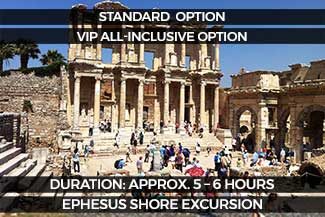
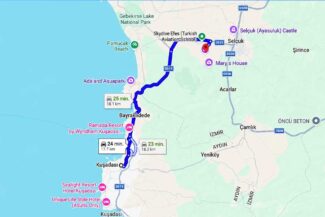
Quick Details:
“Kids Under 5 Go Free!”
Contact us for booking
Standard Private from 110 € / VIP All-Inclusive from 185 € per person

“Kids Under 5 Go Free!”
Contact us for booking
Standard Private from 75 € / VIP All-Inclusive from 135 € per person
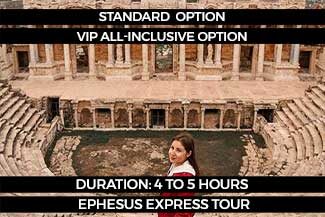
Quick Details:
“Kids Under 5 Go Free!”
Contact us for booking
Standard Private from 115 € / VIP All-Inclusive from 195 € per person

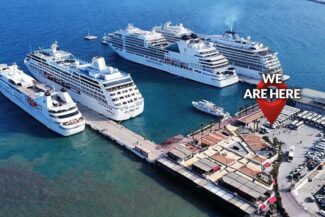
Quick Details:
“Kids Under 5 Go Free!”
Contact us for booking
Standard Private from 115 € / VIP All-Inclusive from 195 € per person
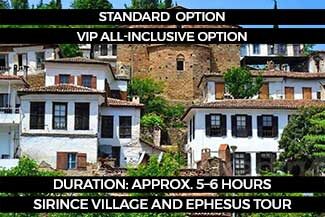
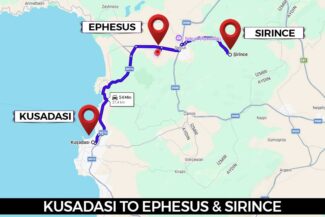
Quick Details:
“Kids Under 5 Go Free!”
➤ Contact us for booking
Standard Private from 165 € / VIP All-Inclusive from 245 € per person
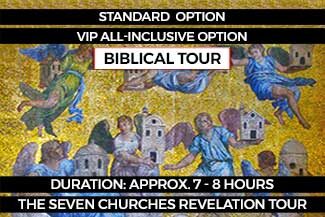

Quick Details:
Approx. 7 - 8 Hours (Optimized Premium Shore Excursion Schedule)“Kids Under 5 Go Free!”
➤ Contact us for booking
Standard Private from 110 € / VIP All-Inclusive from 180 € per person

MAKSİMUM BİLGİSAYAR PAZ.
İÇ VE DIŞ TİC.LTD.ŞTİ.
Adres: Cumhuriyet Mahallesi, Bizimkent, Bizimçarşı,
No: 32-33, Beylikdüzü, İstanbul
Telefon: +90 534 890 05 20
E-posta: info@maxwebtasarim.com