Vedius Gymnasium: Ancient Roman Complex in Ephesus
Explore the Vedius Gymnasium in Ephesus. Book an elite private tour from Kusadasi to discover this grand Roman bath and athletic complex.
For distinguished international travelers eager to uncover the intricate social infrastructure and elite educational traditions of the Roman Empire, the historic wonders of the Aegean coast offer an endless journey of discovery. Beyond the world-famous public libraries and grand open-air theaters, the daily lifestyle of the ancient aristocracy is beautifully preserved within the city's monumental wellness and athletic complexes. Experiencing this grand imperial site through tailored private tours from Kusadasi guarantees that you explore these massive ruins with ultimate physical comfort, senior historical guiding, and a strict shopping-free guarantee that respects your valuable time.
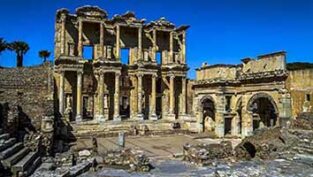
To fully comprehend the immense architectural and historical weight of this monument, one must recognize that the Vedius Gymnasium was not merely a modern-day sports gym; it was a multi-functional palace of health, intellect, and imperial worship. Constructed around 150 AD by a wealthy local aristocrat named Publius Vedius Antoninus and his noble wife Flavia Papiana, this colossal complex was proudly dedicated to the Roman Emperor Antoninus Pius and the city's patron goddess, Artemis. Serving as the elite academy for the youth of Ephesus, it provided comprehensive training in athletics, philosophy, rhetoric, and literature, functioning as the ultimate status symbol of Romanized Ionian culture.
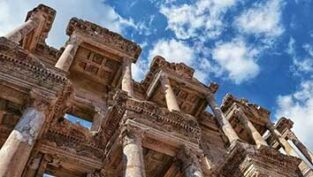
The monumental scale of this 2nd-century complex showcases the brilliant mastery of Roman engineering, seamlessly combining heavy stone vaults with elegant marble aesthetics.
Approaching the northern entrance of the ancient city with a senior historical guide, your eyes are immediately drawn to the expansive, square courtyard known as the Palaestra. This monumental open-air arena, once enclosed by a magnificent peristyle of columns, served as the primary training field where young athletes practiced wrestling, boxing, and gymnastics. Directly adjacent to this athletic field lies the majestic "Hall of Emperors" (Kaisersaal), an opulent chamber decorated with premium marble revetments and dedicated niches that once displayed stunning marble statues of the imperial family and classical deities.
The western section of the Vedius Gymnasium houses an exceptionally sophisticated public bath complex. Your private guide will trace the classic Roman bathing ritual through the remarkably preserved ruins of the Frigidarium (cold pool), Tepidarium (warm transition room), and the massive Caldarium (hot steam bath). The entire thermal layout was powered by an advanced subterranean hypocaust system, utilizing hidden clay flues embedded within the thick brick walls to circulate scorching air from massive wood-burning furnaces, reflecting the peak of ancient luxury engineering.
Exploring the perimeter of this vast complex reveals fascinating architectural connections and civic layouts that hurried commercial cruise groups rarely have the time to appreciate.
The structural preservation of the gym's eastern facade is a testament to the durability of Roman brick-and-mortar masonry. Standing before the remains of the grand Propylon (monumental entrance gate), you can admire the towering arches that once welcomed high-ranking Roman governors and international delegates arriving from the nearby northern harbor road. The sheer thickness of these surviving walls underscores the building’s secondary function as a fortress-like checkpoint at the gateway of the city.
Situated directly next to the grand Stadium of Ephesus, the Vedius Gymnasium operated in perfect harmony with the city's major athletic festivals and gladiator games. The elite competitors who trained within the quiet marble halls of the gymnasium would march directly into the adjacent stadium to compete before thousands of cheering spectators, making this northern quarter the true vibrant epicenter of Roman entertainment and physical culture.
Discovering a massive, multi-tiered archaeological complex of this historic importance requires meticulous strategic timing to avoid the physical exhaustion of peak midday heat and the chaotic rush of large commercial cruise excursions.
Opting for an elite private excursion allows you to experience the Vedius Gymnasium with absolute exclusivity. Traveling in a premium, climate-controlled executive vehicle ensures that you arrive at the archaeological site completely relaxed, refreshed, and ahead of the crowds. Your dedicated private guide will orchestrate your walk flawlessly, providing profound historical insights into the daily lives of Roman patricians while you capture pristine, unobstructed photographs of the grand vaults against the beautiful Aegean sky. Free from the stressful distractions of forced commercial shopping stops, your entire journey is focused strictly on elite heritage exploration, authentic education, and world-class regional hospitality.
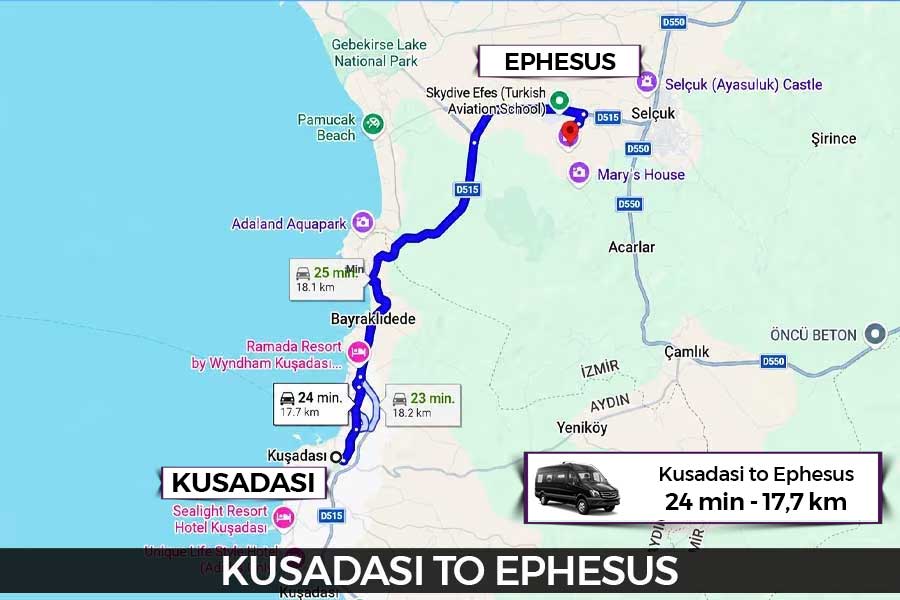
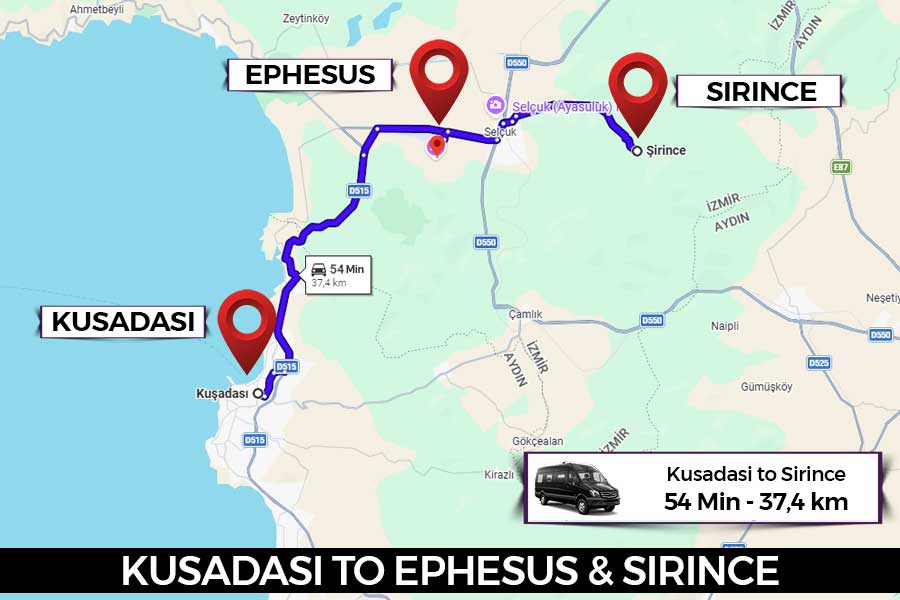
The gymnasium is situated at the absolute northern edge of Ephesus, positioned right next to the northern parking entrance and the ancient Stadium, making it either the grand starting point or the scenic finale of your private walking route.
No, the delicate masterwork marble statues excavated from the complex have been carefully transferred to the air-conditioned galleries of the Ephesus Museum in Selcuk for maximum climate preservation, where they can be viewed during our extended private itineraries.
The terrain features large, flat open spaces around the Palaestra, mixed with some elevated stone ruins and steps around the bath chambers. Your private guide will easily customize the walking path to perfectly match your physical comfort level.





👉 “Kids Under 5 Go Free!”
👉 ➤ Contact us for booking
Standard Private from 199 € / VIP All-Inclusive from 499 € per person

Quick Details:
“Kids Under 5 Go Free!”
➤ Contact us for booking
Standard Private from 110 € / VIP All-Inclusive from 180 € per person

Quick Details:
Approx. 7 - 8 Hours (Optimized Premium Shore Excursion Schedule)“Kids Under 5 Go Free!”
➤ Contact us for booking
Standard Private from 110 € / VIP All-Inclusive from 180 € per person


“Kids Under 5 Go Free!”
➤ Contact us for booking
Standard Private from 135 € / VIP All-Inclusive from 195 € per person


Quick Details:
“Kids Under 5 Go Free!”
➤ Contact us for booking
Standard Private from 125 € / VIP All-Inclusive from 195 € per person

Quick Details:
“Kids Under 5 Go Free!”
➤ Contact us for booking
Standard Private from 115 € / VIP All-Inclusive from 195 € per person
“Kids Under 5 Go Free!”
Contact us for booking
Standard Private from 115 € / VIP All-Inclusive from 195 € per person

“Kids Under 5 Go Free!”
➤ Contact us for booking
Standard Private from 115 € / VIP All-Inclusive from 180 € per person
Quick Details:
“Kids Under 5 Go Free!”
Contact us for booking
Standard Private from 110 € / VIP All-Inclusive from 185 € per person

“Kids Under 5 Go Free!”
Contact us for booking
Standard Private from 75 € / VIP All-Inclusive from 135 € per person
Quick Details:
“Kids Under 5 Go Free!”
Contact us for booking
Standard Private from 115 € / VIP All-Inclusive from 195 € per person

Quick Details:
“Kids Under 5 Go Free!”
Contact us for booking
Standard Private from 115 € / VIP All-Inclusive from 195 € per person
Quick Details:
“Kids Under 5 Go Free!”
➤ Contact us for booking
Standard Private from 165 € / VIP All-Inclusive from 245 € per person


Quick Details:
Approx. 7 - 8 Hours (Optimized Premium Shore Excursion Schedule)“Kids Under 5 Go Free!”
➤ Contact us for booking
Standard Private from 110 € / VIP All-Inclusive from 180 € per person

MAKSİMUM BİLGİSAYAR PAZ.
İÇ VE DIŞ TİC.LTD.ŞTİ.
Adres: Cumhuriyet Mahallesi, Bizimkent, Bizimçarşı,
No: 32-33, Beylikdüzü, İstanbul
Telefon: +90 534 890 05 20
E-posta: info@maxwebtasarim.com